

Knee Specialists in Duluth, MN
Treating the Full Range of Knee Conditions and Injuries
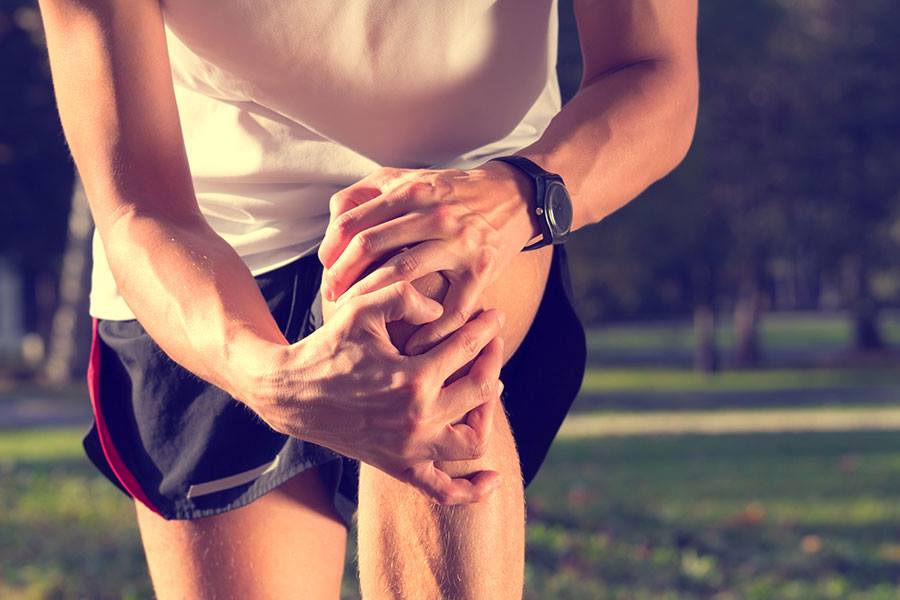
The knee is the largest joint in the body and one of the most commonly injured. Ligament tears, cartilage damage, arthritis, and fractures can each cause instability, swelling, and pain that limits your ability to walk, climb stairs, or stay active.
At Orthopaedic Associates of Duluth, our knee specialists provide surgical and non-surgical care for the full range of knee conditions. Our board-certified surgeons work alongside physician assistants, physical and occupational therapists, and athletic trainers, so your care is coordinated from diagnosis through rehabilitation without being handed off between separate providers or facilities.

Knee Conditions and Injuries We Treat
Knee problems range from acute sports injuries to chronic conditions that develop over years. Our physicians evaluate each patient individually and recommend a treatment path based on the specific diagnosis, the extent of the damage, and what the patient needs to get back to.

ACL Tear
PCL Tear
MCL Tear
PLC Injuries
Knee Arthritis
Cartilage injuries
Knee Fractures
Knee Osteoarthritis
Patellar tendon tear
Quadriceps tendon tear
Meniscus Tear
Multi-ligament Knee Injuries
Patellar Dislocation
Runner’s Knee
Alignment issues
Tendonitis
Total Knee Replacement
Partial Knee Replacement
Revision Knee Surgery
Non-operative Treatments
Knee Treatment Options
Not every knee condition leads to surgery. Our physicians start with an accurate diagnosis, and from there the treatment plan depends on what the imaging and evaluation actually show.

ACL and Ligament Reconstruction
Surgical repair and reconstruction of the ACL, PCL, MCL, PLC and complex multi-ligament knee injuries. Our sports medicine surgeons handle both primary reconstructions and cases involving prior ligament damage.

Meniscus Repair and Transplant
Arthroscopic repair of torn meniscus tissue performed through small incisions, with significantly shorter recovery than open surgery. Meniscus transplant procedures are also available for patients with substantial meniscal loss.

Knee Cartilage Restoration
Surgical procedures to address cartilage damage that causes pain and limits joint function, including restoration techniques for appropriate candidates.

Knee Replacement
Total knee replacement, partial knee replacement, and revision knee replacement for patients dealing with pain, stiffness, or deformity caused by arthritis or injury. Robotic-assisted and minimally invasive techniques are available and discussed below.

Knee Arthroscopy
Minimally invasive diagnostic and surgical procedures using small incisions to evaluate and treat problems inside the knee joint. Commonly used for meniscal repair, ACL/PCL reconstruction, and cartilage procedures.

Non-Surgical Treatment
Physical therapy, occupational therapy, non-operative management, and musculoskeletal ultrasound-guided injections for appropriate conditions. Our in-house therapy team works directly with our physicians, so rehabilitation is part of the care plan from the start.
Robotic-Assisted Knee Replacement
Several of our knee surgeons perform robotic-assisted joint replacement procedures, including robotic-assisted total and partial knee replacement. Robotic assistance allows the surgeon to plan the procedure in detail before the operation begins and execute the plan with precision during surgery. The approach is tailored to each patient’s anatomy. Robotic-assisted knee replacement is available through our practice for appropriate candidates. Your surgeon will discuss whether it is the right option for your specific situation during your consultation. Physicians performing robotic-assisted knee replacement at Orthopaedic Associates of Duluth: Dr. Michael C. Momont, Dr. Glen H. Rudolph, Dr Phillip Thomas, Dr Sam Harms, and Dr. Landon D. Brown.
Total Knee Replacement in Duluth, MN
Indications
The primary indication for a total knee replacement is to relieve pain caused by severe arthritis when non-operative treatment has not provided adequate relief. Destruction of articular cartilage can limit your ability to walk, climb stairs, and carry out normal daily activities. Your surgeon will evaluate whether total knee replacement is the appropriate next step based on your imaging, examination, and how your symptoms have responded to prior treatment.
Total Knee Arthroplasty Surgery
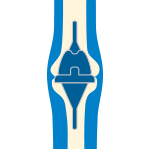
A knee replacement consists of three components: A femoral (thigh bone) component, made of metal. A tibial (lower leg bone) component, a metal component with a polyurethane spacer. A patellar (knee cap) component, made of plastic, attached to the undersurface of the original knee cap.
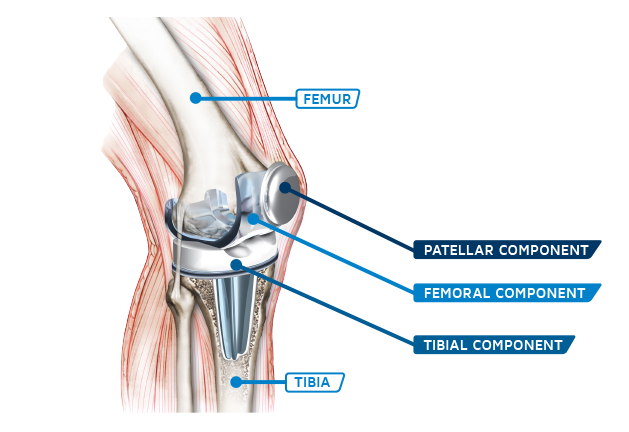
During surgery, your surgeon removes damaged cartilage and bone from the end of the femur and the top of the tibia, then fits the joint with prosthetic components. Depending on your anatomy and your surgeon’s recommendation, components may be secured with bone cement or with a porous pressed metal component that allows bone to grow into the metal over time. Every procedure is tailored to the individual patient. Your surgeon will walk you through the specifics before your operation.
Recovery
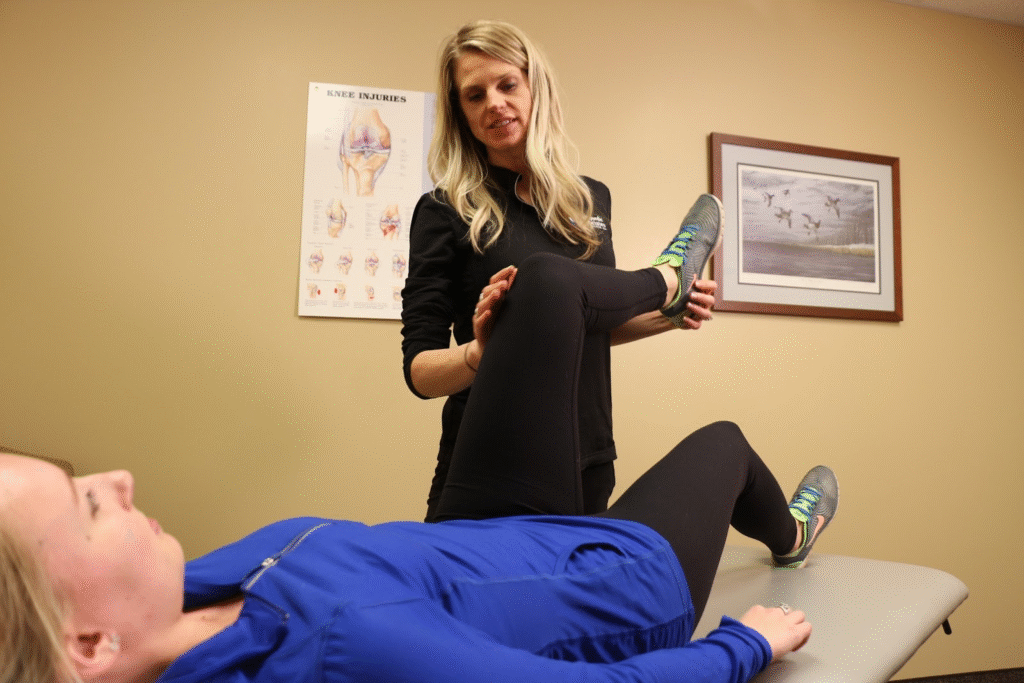
Recovery after total knee replacement varies by patient, depending on activity level before surgery, overall health, and how the body responds. Most patients progress from a walker to a cane as strength and stability improve, though the timeline differs for each person.
Following surgery, most patients are referred to physical therapy, either in-home or at our outpatient clinic. Your therapist will evaluate your function, strength, and range of motion, then build a program around your recovery goals. Swelling around the knee is normal and can persist for several months. Bruising is also common and may extend down the leg, often developing a few days after surgery before resolving on its own. Your care team will guide you on what to expect at each stage of recovery.
Meet Our Knee Specialists in Duluth, MN
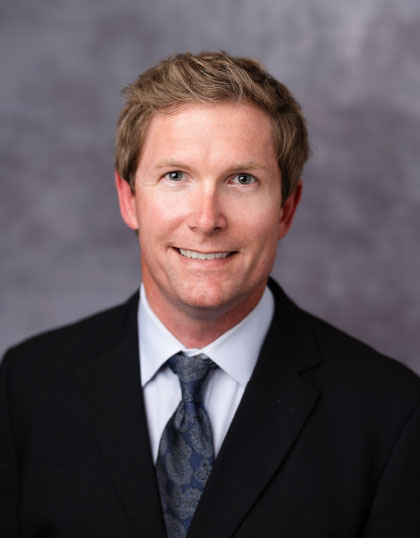
Samuel P. Harms, MD
Meet the Doctor: Samuel P. Harms, MD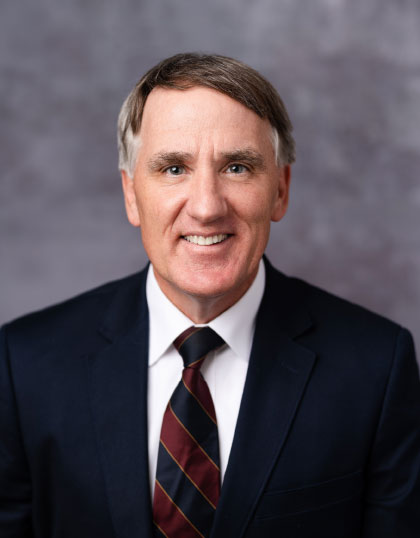
Patrick G. Hall, MD
Meet the Doctor: Patrick G. Hall, MD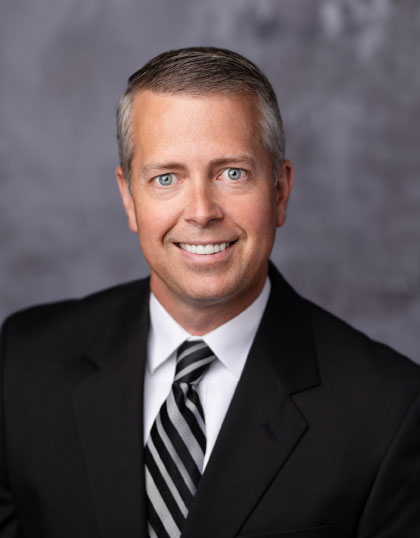
Joshua J. Rother, MD
Meet the Doctor: Joshua J. Rother, MD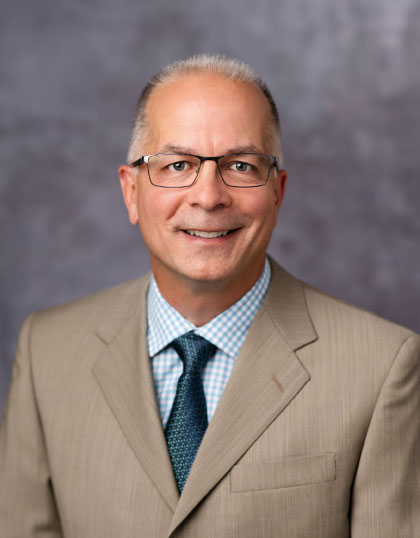
Michael C. Momont, MD
Meet the Doctor: Michael C. Momont, MD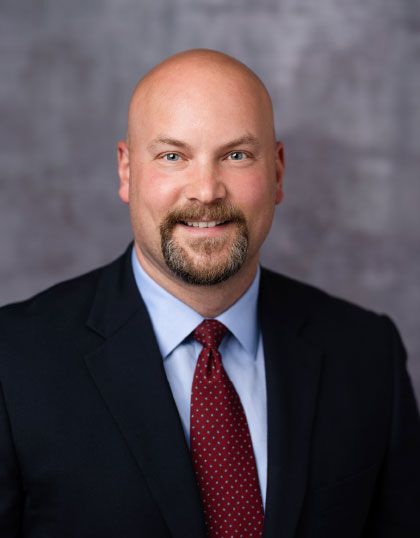
Glen H. Rudolph, MD
Meet the Doctor: Glen H. Rudolph, MD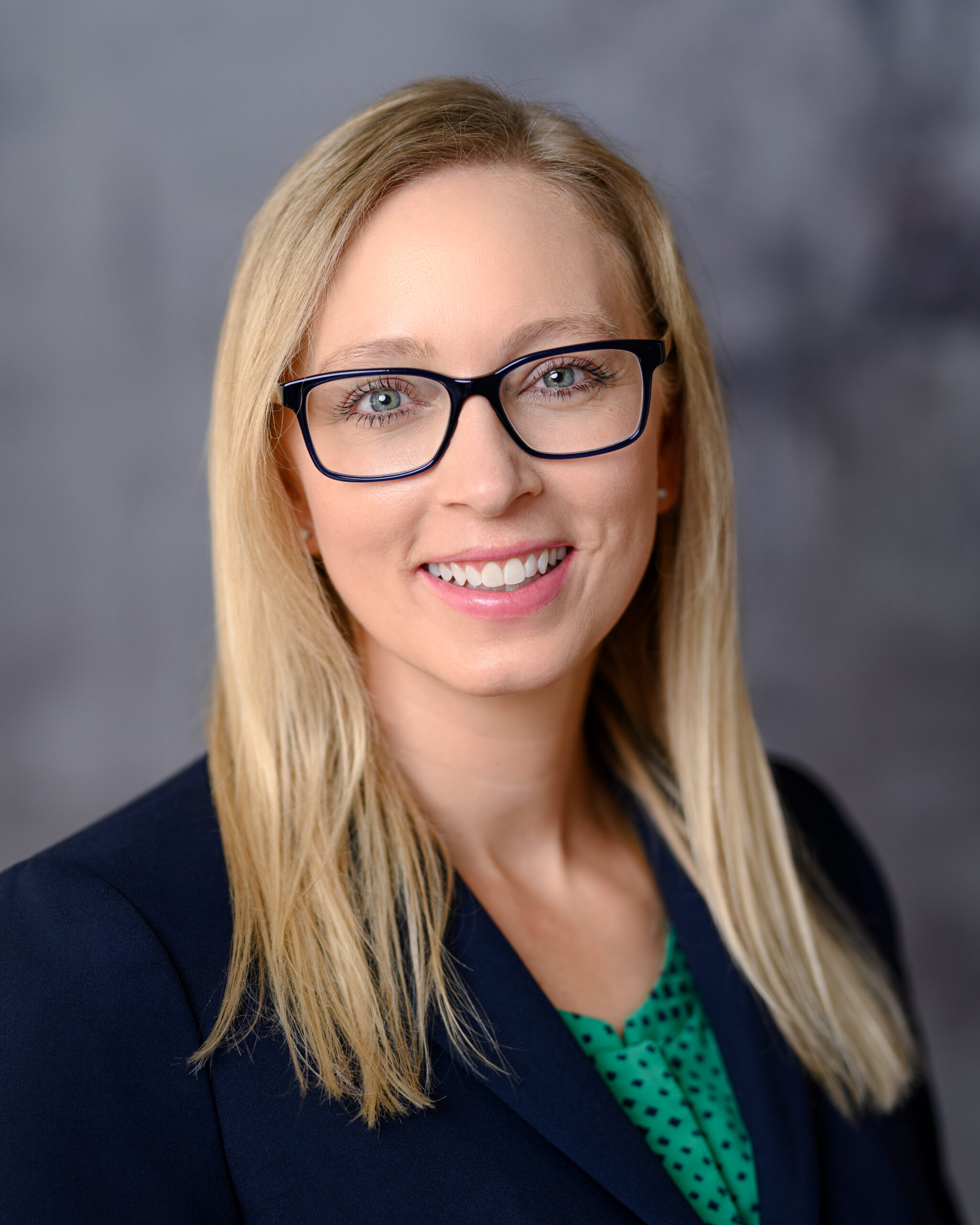
Heather L. Grothe, MD
Meet the Doctor: Heather L. Grothe, MD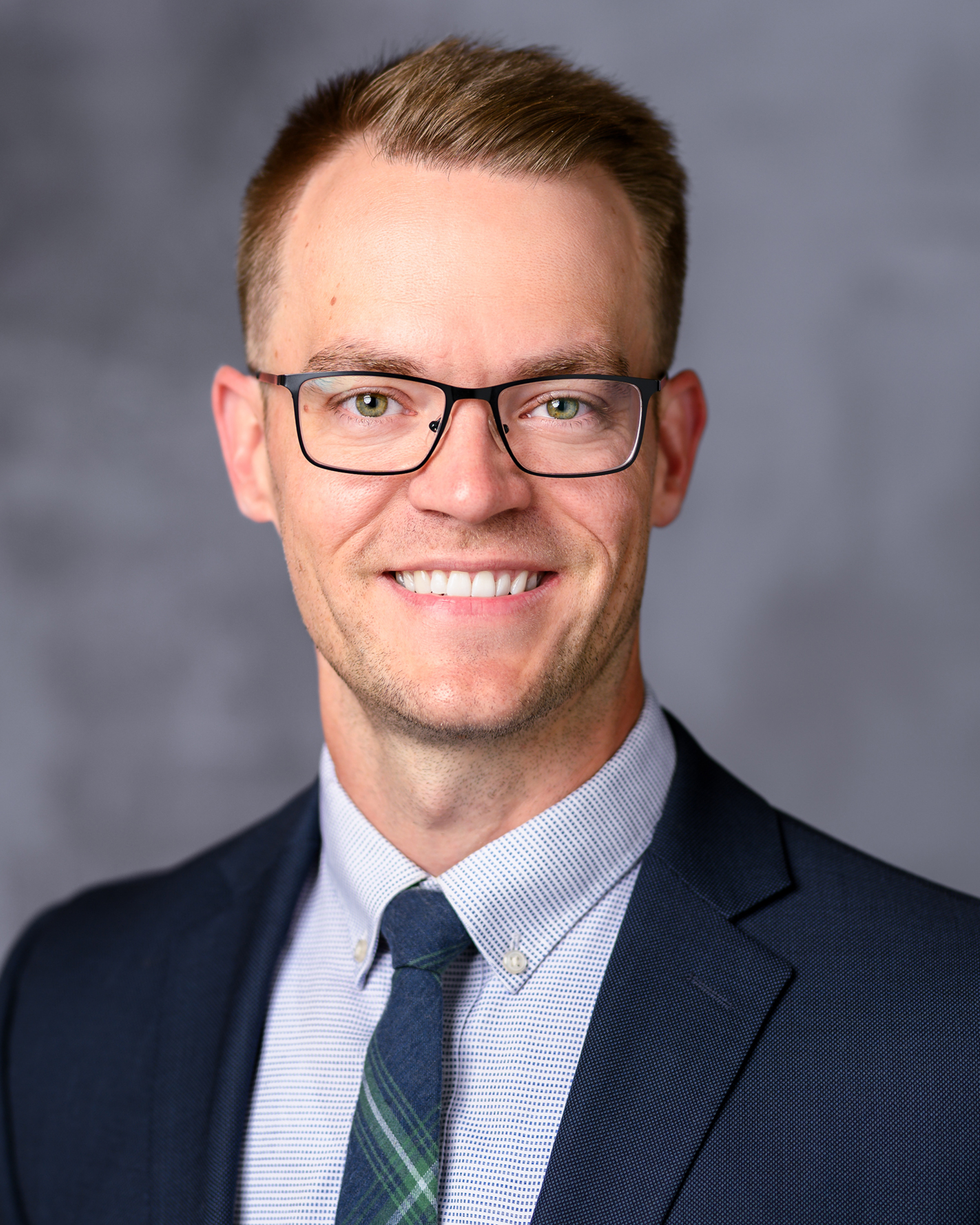
Phillip L. Thomas, M.D.
Meet the Doctor: Phillip L. Thomas, M.D.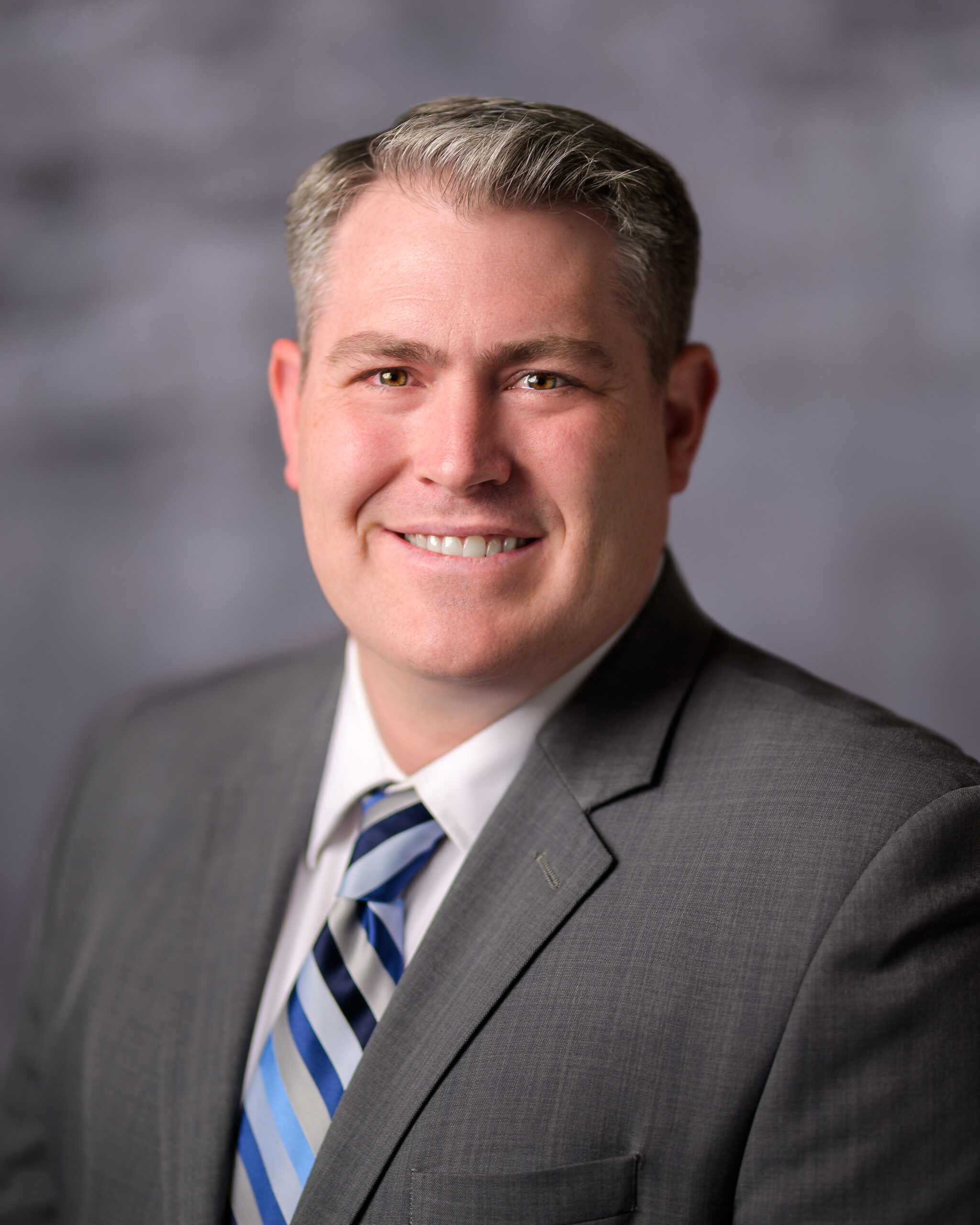
Landon D. Brown, MD
Meet the Doctor: Landon D. Brown, MD
Schedule with a Knee Specialist in Duluth, MN
Knee pain that limits your movement deserves a proper evaluation, not a prolonged wait. Our knee specialists see patients at our Duluth clinic, as well as locations in Hibbing, Virginia, and at outreach clinics throughout Northern Minnesota.
Call to schedule an appointment. Same-day evaluations are often available for acute knee injuries.