

Shoulder Care and Surgery in Duluth, MN
Shoulder
The shoulder is the most mobile joint in the body. That range of motion makes it functional for a wide variety of tasks and also makes it vulnerable. Rotator cuff tears, labral injuries, instability, arthritis, and fractures are among the most common reasons patients come to us for evaluation.
At Orthopaedic Associates of Duluth, our shoulder specialists provide surgical and non-surgical care for the full range of shoulder conditions. Our board-certified surgeons work alongside physical and occupational therapists, so your diagnosis, treatment, and rehabilitation are managed by the same coordinated team from the first appointment through recovery.

Shoulder Conditions and Injuries We Treat
Shoulder problems range from acute sports injuries and traumatic dislocations to chronic conditions that develop gradually over time. Our physicians evaluate each patient and recommend a treatment path based on the diagnosis, the severity of the condition, and what the patient wants to return to doing.
- Arthritis
- Bicep Tears
- AC joint injuries
- Dislocations
- Impingements
- Labral Tears
- Rotator Cuff Tears
- Shoulder Separations
- SLAP Tears
- Total Shoulder Replacement
- Reverse Total Shoulder Replacement
- Shoulder Arthroscopy
- Non-operative Treatments
Orthopaedic Conditions and
Treatments We Specialize In
Shoulder Arthroscopy
Minimally invasive procedures performed through small incisions to diagnose and treat problems inside the shoulder joint. Commonly used for rotator cuff repair, labral repair, instability correction, SLAP tear repair, and impingement treatment. Recovery is significantly shorter than open surgery.
Rotator Cuff and Labral Repair
Surgical repair of torn rotator cuff tendons and labral tissue, including SLAP tear repair and shoulder stabilization procedures for patients dealing with instability or recurrent dislocations. Several of our surgeons perform cutting edge shoulder techniques for patients with irreparable rotator cuff tears hoping to avoid joint replacements.
Shoulder Replacement
Total shoulder replacement, reverse total shoulder replacement, and revision procedures for patients with severe shoulder arthritis or significant rotator cuff damage that has not responded to non-surgical treatment. The distinction between a standard total and a reverse total is explained in the section below.
Biceps Tendon Procedures
Biceps tenodesis and distal biceps repair for patients with biceps tendon tears causing pain, weakness, or a visible deformity at the upper arm.
Non-Surgical Treatment
Physical therapy, activity modification, and musculoskeletal ultrasound-guided shoulder injections for patients whose condition is appropriate for non-operative management. Dr. Heather Grothe holds RMSK certification with AIUM accreditation in musculoskeletal ultrasound and performs ultrasound-guided injections and diagnostic tests for the shoulder.
Total Shoulder Replacement in Duluth, MN
Indications
The primary indication for a total shoulder arthroplasty is severe shoulder arthritis that is limiting quality of life and has not improved with conservative treatment. Shoulder joint arthritis can limit your ability to perform daily activities including self-care, household tasks, and driving. Recovery following shoulder replacement varies in length and progression depending on several individual factors, including:
- Degree of arthritis
- Acute versus chronic condition
- Length of time immobilized prior to surgery
- Strength, pain, swelling, and range of motion status at the time of surgery
- Individual rehabilitation goals and expectations
Total Shoulder Arthroplasty Surgery
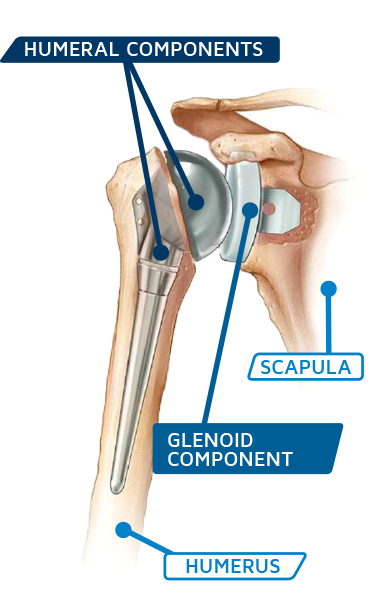
A shoulder replacement consists of two components:
- The humeral component (the ball), made of metal, fixed to the arm by a stem that fits into the shaft of the bone.
- The glenoid component (the socket), made of high-density plastic.
During surgery, the surgeon removes the damaged cartilage and replaces it with these components. Procedure length and incision placement vary by patient and surgical approach. Your surgeon will review the specifics with you before the operation.
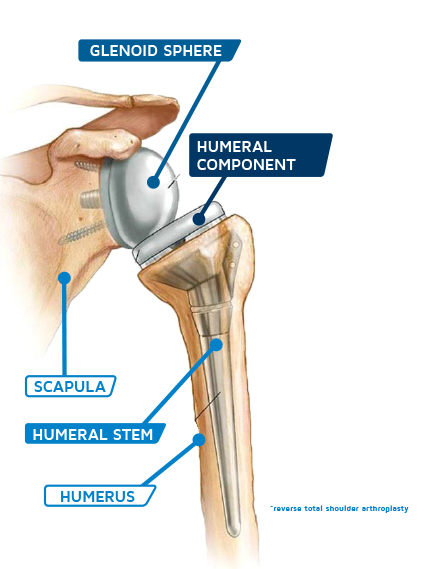
Total Shoulder Replacement vs. Reverse Total Shoulder Replacement
A standard total shoulder replacement replicates the normal mechanics of the shoulder, replacing the ball and socket in their natural positions. It also preserves the patient’s rotator cuff muscles and is appropriate when the rotator cuff is intact and functional.
A reverse total shoulder replacement switches the position of the ball and socket components. This approach is used when a patient has poor rotator cuff integrity, has had multiple failed rotator cuff repairs, or presents with shoulder arthritis alongside significant rotator cuff damage. The reversed configuration allows different muscle groups to compensate for the non-functional rotator cuff and restore shoulder movement.
Your surgeon will determine which approach is appropriate based on your imaging, the condition of your rotator cuff, and your surgical history.
Recovery
Recovery after total shoulder replacement varies by patient based on activity level before surgery, overall health, and how the body responds. Following surgery, most patients are referred to physical therapy, either in-home or at our outpatient clinic. Your therapist evaluates your function, strength, and range of motion and develops a program around your specific recovery goals.
Bruising around the shoulder, upper arm, and chest is common following surgery. It can appear deep and dark, or develop a yellow or green color, and may not appear until several days after the procedure. This is normal and resolves with time. Your care team will guide you on what to expect at each stage of recovery.
Meet Our Shoulder Specialists in Duluth, MN
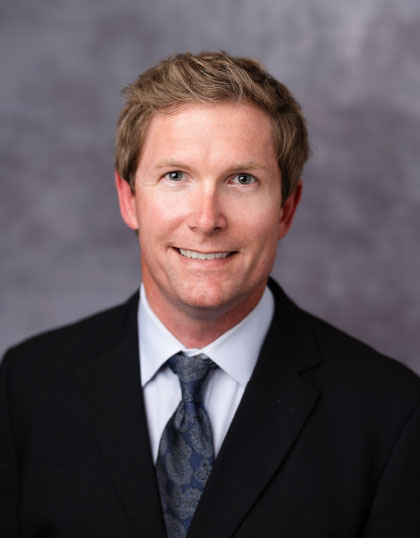
Samuel P. Harms, MD
Meet the Doctor: Samuel P. Harms, MD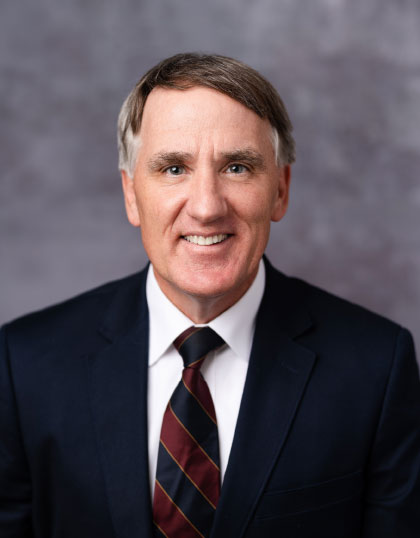
Patrick G. Hall, MD
Meet the Doctor: Patrick G. Hall, MD
Joshua J. Rother, MD
Meet the Doctor: Joshua J. Rother, MD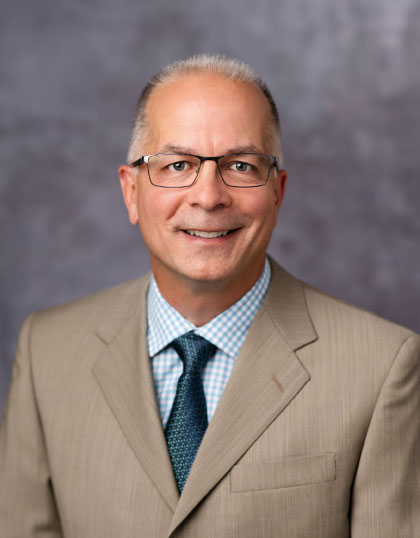
Michael C. Momont, MD
Meet the Doctor: Michael C. Momont, MD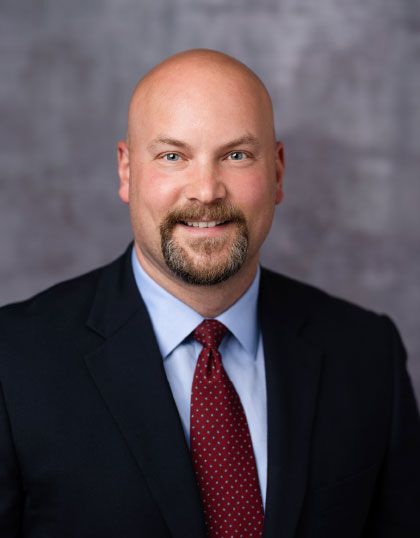
Glen H. Rudolph, MD
Meet the Doctor: Glen H. Rudolph, MD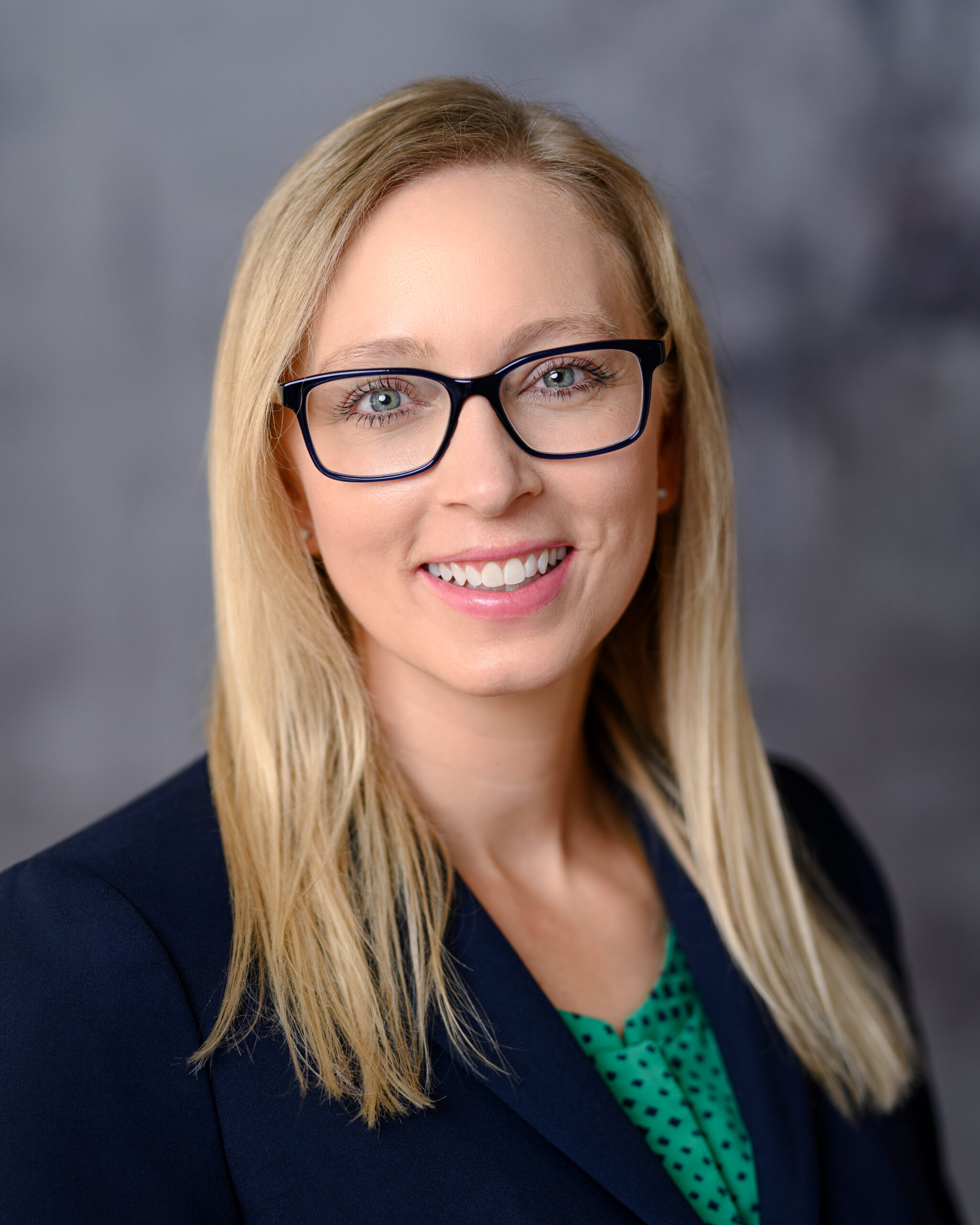
Heather L. Grothe, MD
Meet the Doctor: Heather L. Grothe, MD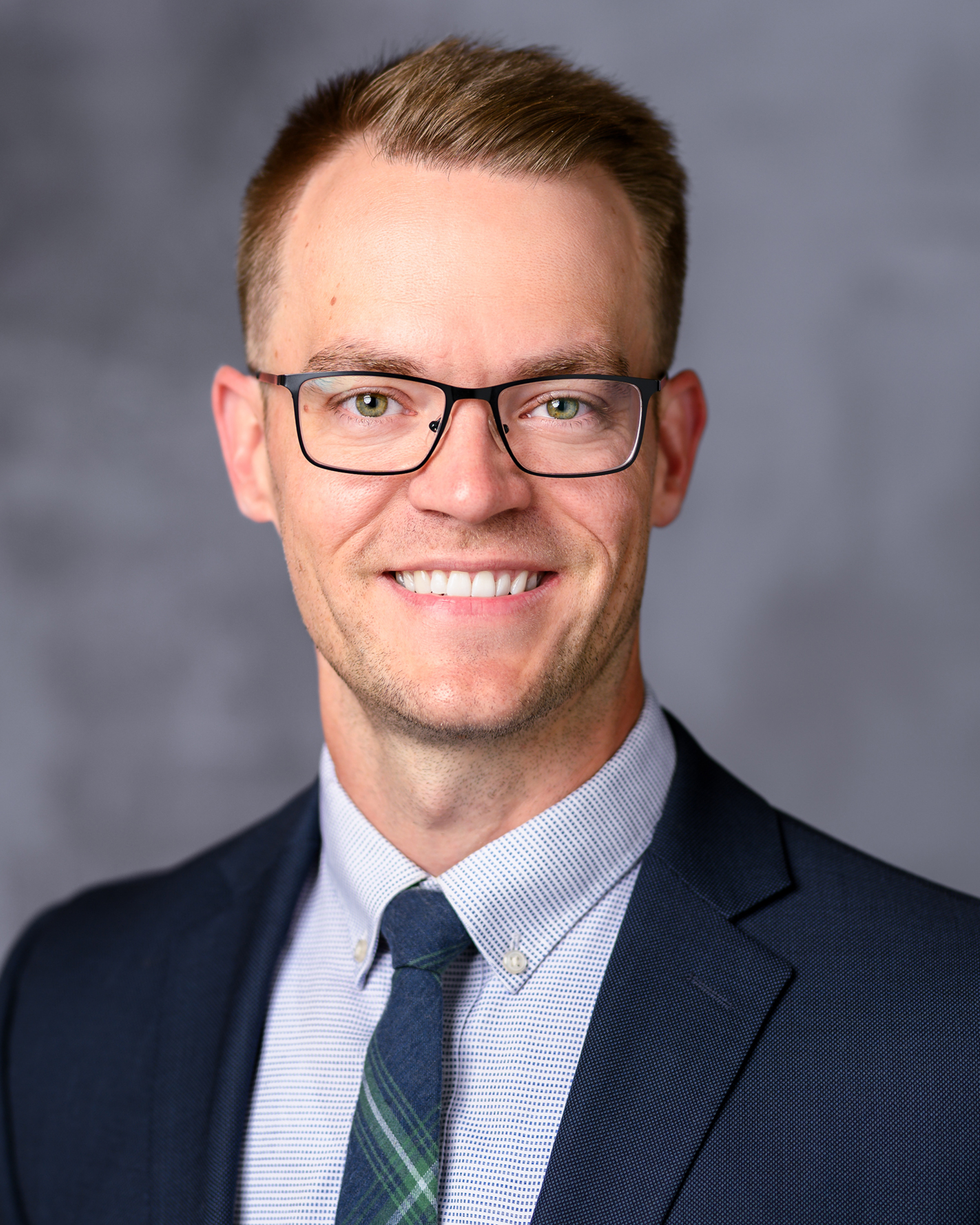
Phillip L. Thomas, M.D.
Meet the Doctor: Phillip L. Thomas, M.D.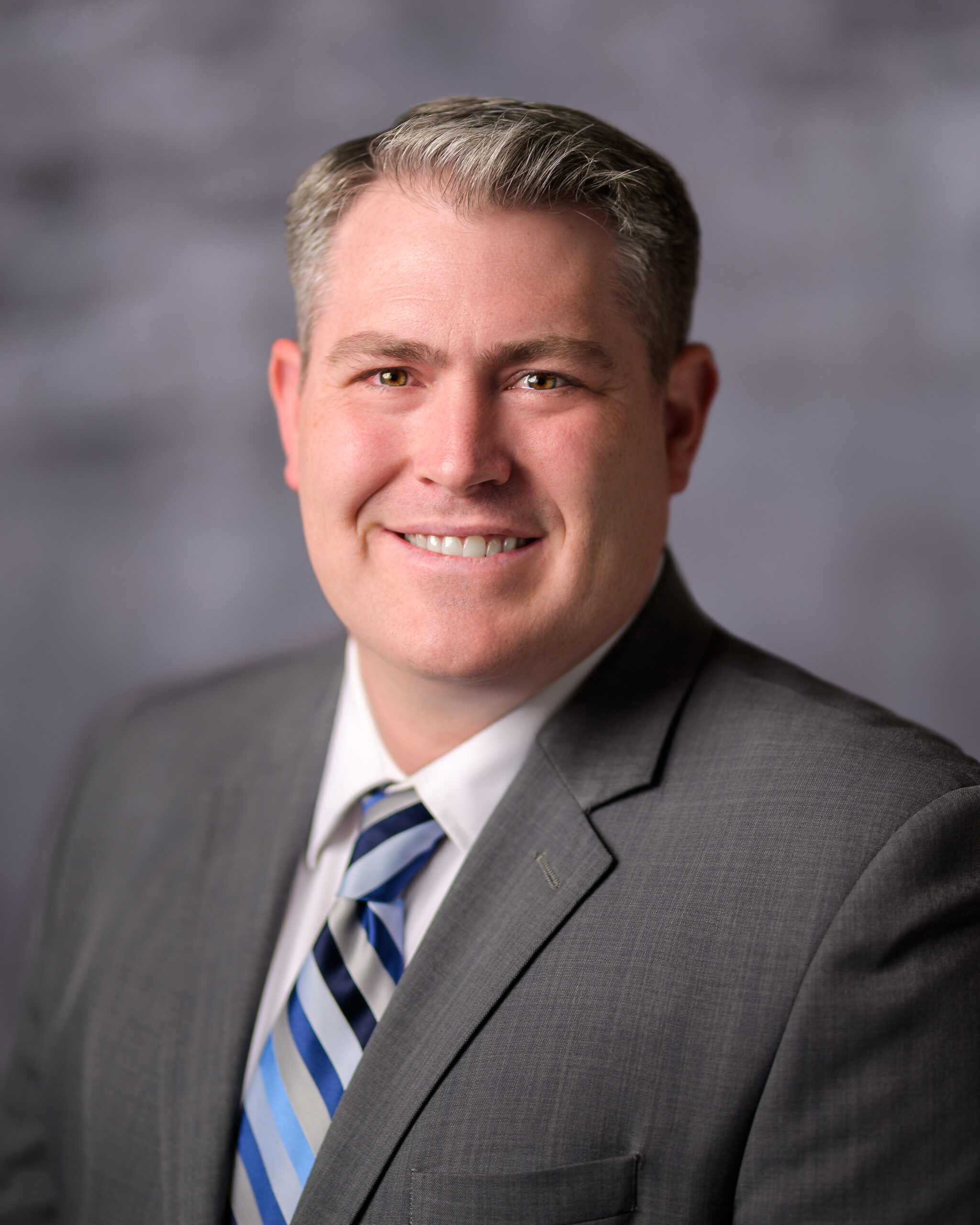
Landon D. Brown, MD
Meet the Doctor: Landon D. Brown, MD
Schedule with a Shoulder Specialist in Duluth, MN
Our shoulder specialists see patients at our Duluth clinic and at locations across Northern Minnesota including Hibbing, Rock Ridge/Virginia, Grand Rapids, International Falls, Grand Marais and Ely. Same-day appointments are often available for acute shoulder injuries.
Call to schedule an appointment, or use our contact form.